


Roof Leak Detection: 7 Warning Signs Cumming Homeowners Shouldn't Ignore
A roof leak almost never starts with water on the floor. By the time it's dripping through the ceiling, water has usually been getting through the roof for months — and the damage above the drywall is already done.
The good news for Cumming homeowners is that leaks send signals well before they make a mess inside the house. Most of them are visible from the ground or from a quick attic check.
This guide walks through the seven warning signs that mean water is finding its way into your residential roof. We cover why each one matters and what to do when you see it.
Why Ignored Roof Leaks Become Serious Problems for Cumming Homeowners
Water doesn't sit still in your roof. Once it gets past the asphalt shingles or metal roofing, it follows the path of least resistance — across the underlayment, down the rafters, into the insulation, and eventually into the ceiling or wall cavities.
Each stop along the way creates a new problem. Rotten decking, mold in the attic, ruined insulation, swollen drywall, and stained flooring all stack up while you're waiting for the obvious drip.
A leak caught in the first week usually means a straightforward, contained repair. A leak that's been working for six months can compound into a major restoration job — decking replacement, mold treatment, insulation swap, and a redone ceiling all on the same bill.
Sign 1: Water Stains on Ceilings or Upstairs Walls
What It Looks Like
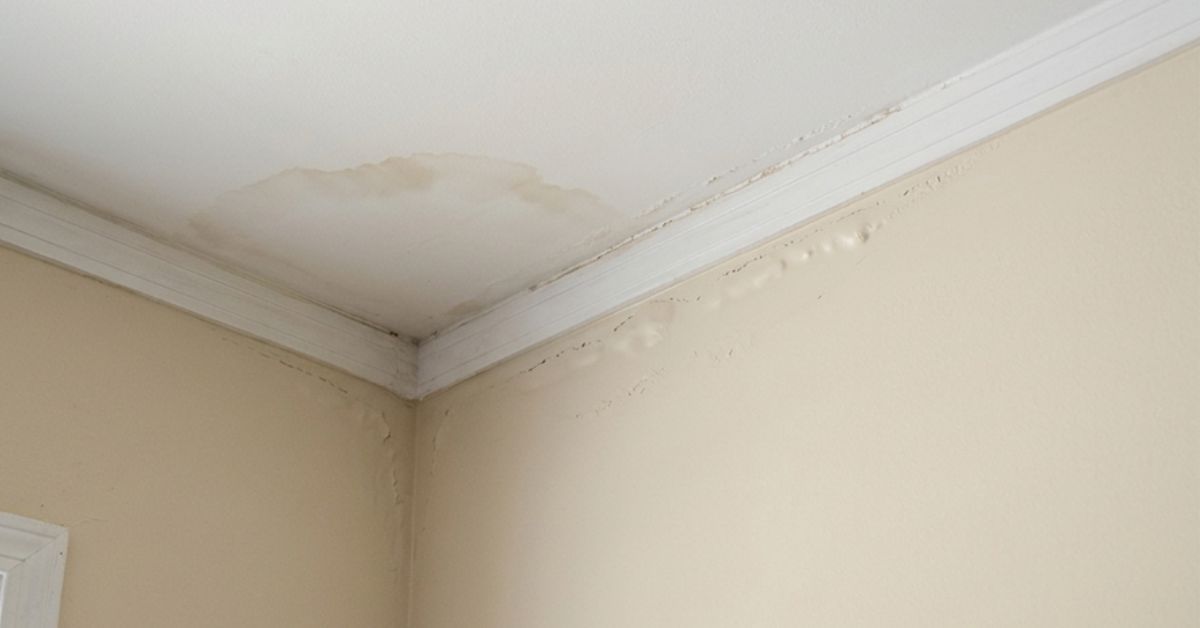
Brown or yellow rings on the ceiling, paint bubbling along the wall-ceiling seam, or a damp-looking patch that wasn't there last month. Stains often show up in the corners of upstairs rooms, in closets, or directly under bathrooms on the second floor.
Why It Matters
By the time water reaches drywall, the decking and insulation above it are already saturated. Stains that grow, darken, or come back after a fresh coat of paint mean the leak is active.
What to Do
Schedule a roof inspection within the week. Don't paint over the stain — you need to be able to see whether it's expanding.
Sign 2: Missing or Curling Shingles After a Storm
What It Looks Like
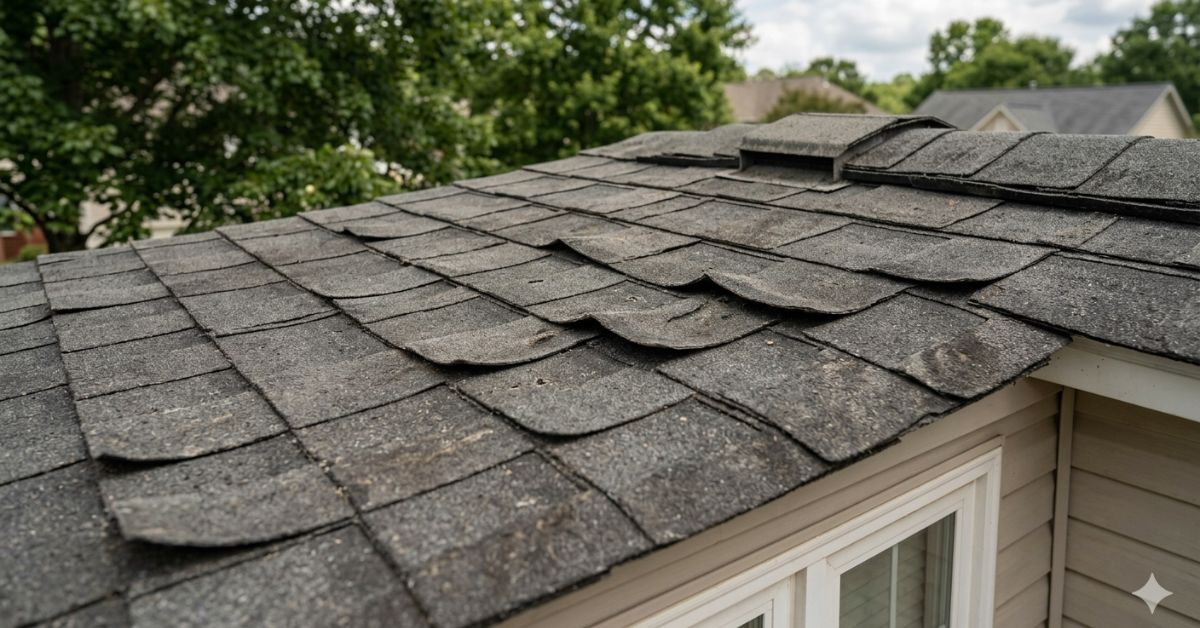
Walk the perimeter of your house and look up. Shingles should lay flat against the roof — after a summer thunderstorm in Cumming, you might see corners turning up (curling), edges lifted, or shingles missing entirely on the side of the roof that took the brunt of the wind.
Why It Matters
A missing shingle exposes the underlayment, which is water-resistant but not waterproof. Underlayment alone holds out a few weeks at best before water starts working through to the decking.
What to Do
Missing shingles after a storm need replacement within days. Curling shingles across the whole roof usually mean it's time to plan a replacement, not chase individual repairs.
Sign 3: Granules in Your Gutters
What It Looks Like
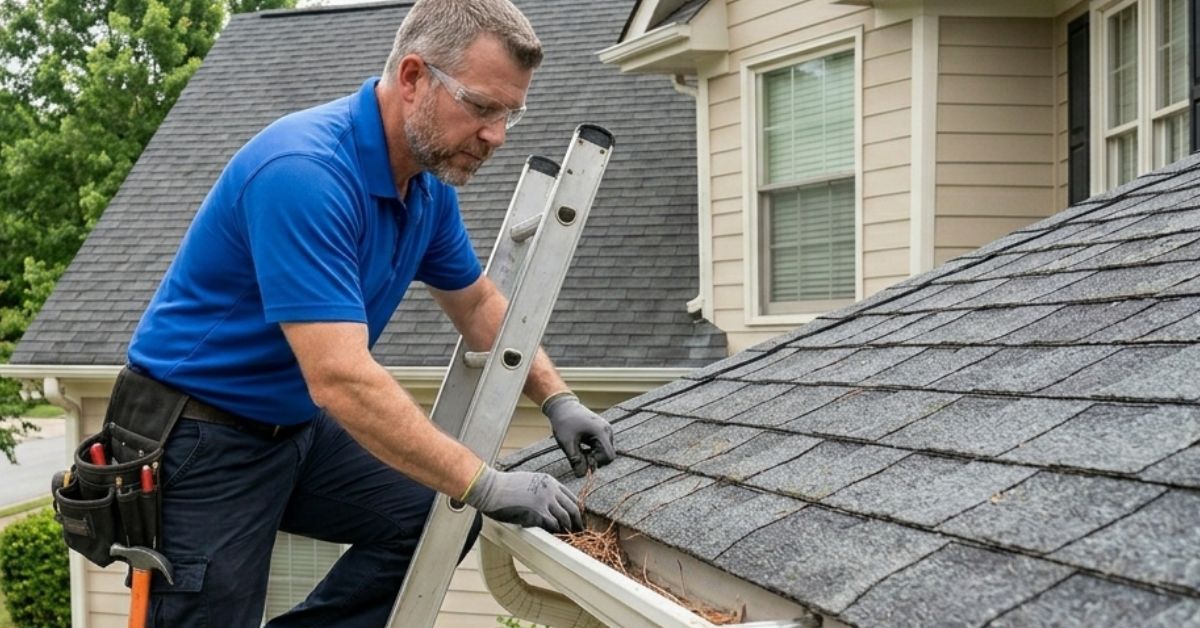
A consistent layer of black, sand-like grit in your gutters every time you clean them. New roofs shed some granules in the first few rains, and that's normal — ongoing granule loss five or more years into the roof's life is not.
Why It Matters
Asphalt shingles are coated with mineral granules that protect the asphalt underneath from UV. Once those granules wash off, the asphalt cooks in the Georgia sun and the shingle becomes brittle.
What to Do
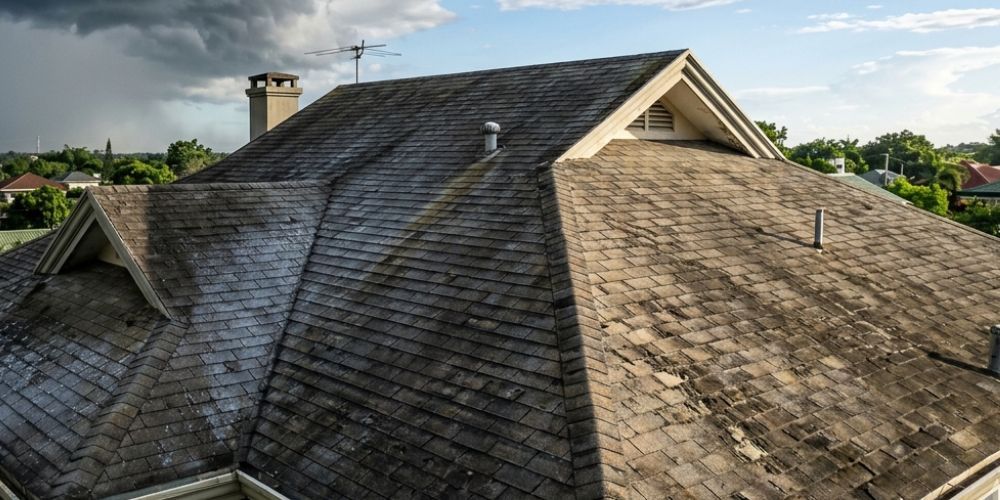
Pair a granule check with an inspection of the shingles themselves. If you can see bare asphalt patches on the roof — darker streaks where the granules have washed off — the shingles are at the end of their service life.
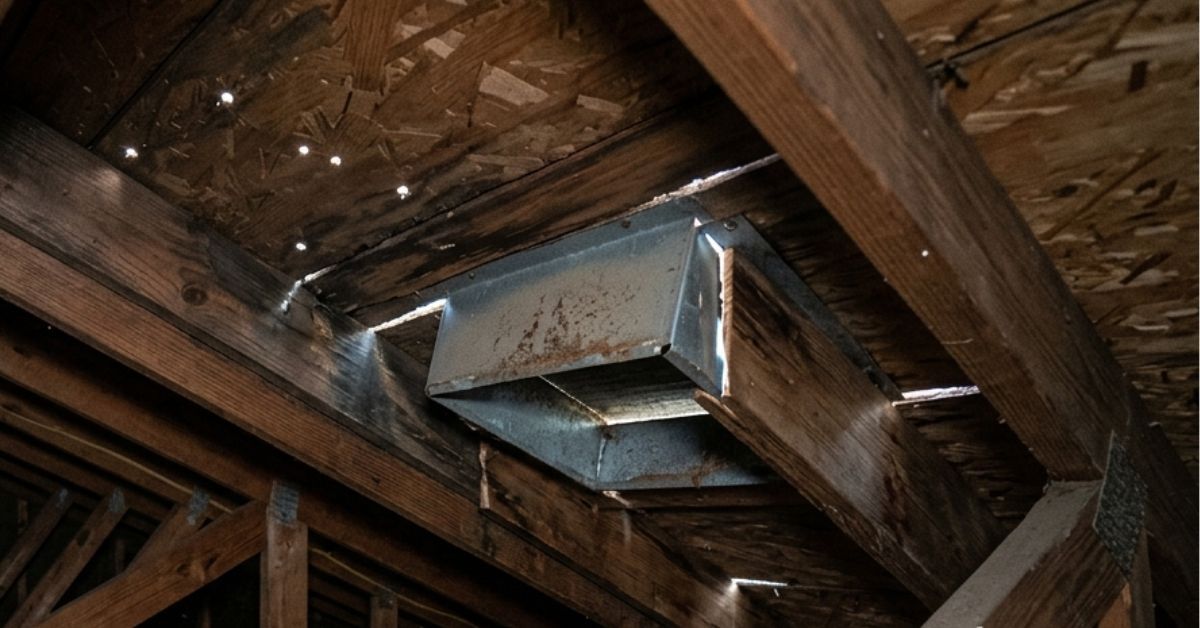
Sign 4: Daylight Visible in the Attic
What It Looks Like
Go into the attic on a sunny afternoon, turn off the lights, and look up. The decking should be solid — pinpricks of daylight, gaps along the ridge, or visible sky around vents and chimneys mean water has a path in too.
Why It Matters
If light is getting through, so is rain. Even small breaches let moisture into the insulation and rafters, which leads to rot, mold, and a much bigger bill than catching the leak at the shingle.
What to Do
Mark the spots with painter's tape or a piece of cardboard, then schedule an inspection. The contractor can match those interior locations to specific failure points on the roof.
Sign 5: Damp Attic Insulation or Musty Smell Upstairs
What It Looks Like
Insulation that feels heavy, matted, or smells like a wet basement. A musty odor in upstairs rooms that doesn't clear with ventilation, plus discoloration on rafters or roof decking visible from inside the attic.
Why It Matters
Insulation is supposed to be dry and fluffy. Wet insulation loses its R-value, drives up cooling and heating bills, and becomes a breeding ground for mold — and the mold doesn't stay in the attic, because spores travel through the HVAC system into the rest of the house.
What to Do
Don't try to dry insulation in place. The leak source has to be fixed first, then the wet insulation gets cut out and replaced — a roofing contractor and a mold remediation specialist often handle this together.
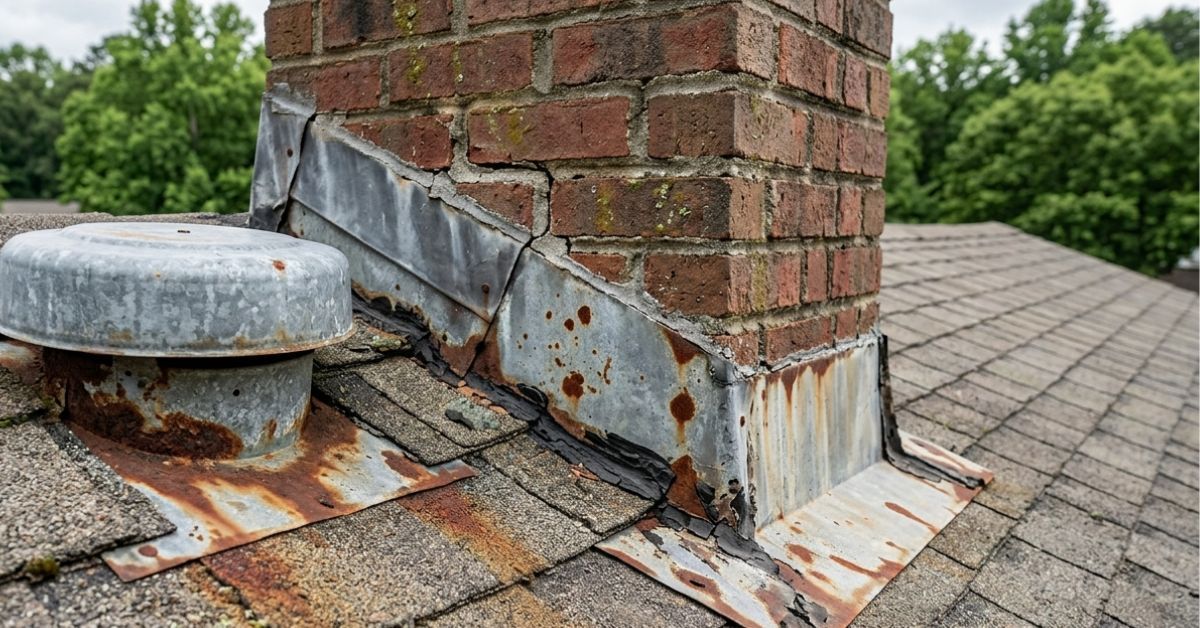
Sign 6: Cracked or Rusted Flashing Around Chimneys, Vents, and Skylights
What It Looks Like
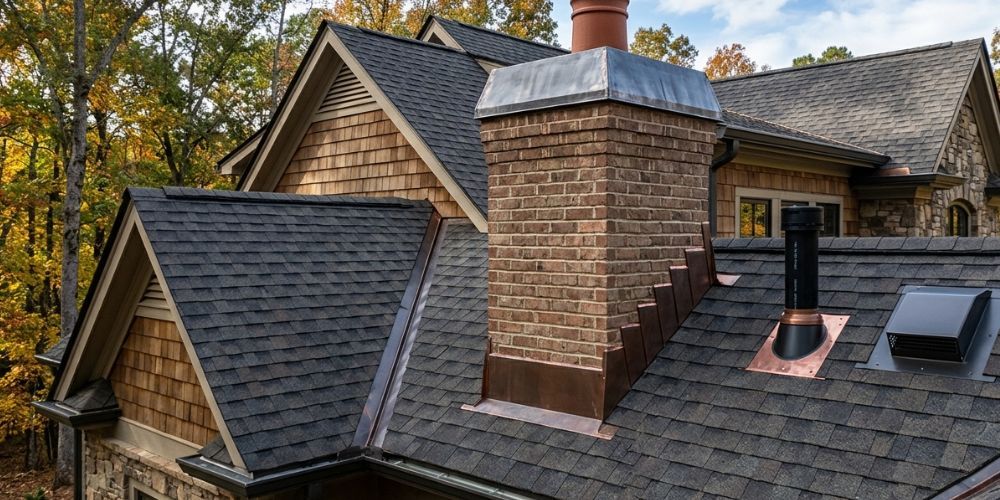
The thin metal pieces that seal joints between the roof and anything sticking up through it — chimneys, plumbing vents, skylights, valleys. Look for rust spots, cracks, separation from the surrounding shingles, or sealant that's pulling away.
Why It Matters
Most roof leaks don't come from the shingles themselves. They come from flashing failures, and a roof can have perfectly good shingles and still leak constantly if the chimney flashing is cracked.
What to Do
On a newer roof, replacing the failed flashing alone usually solves it. On an older roof, flashing failure often signals the whole system is reaching the end of its life and the next failure is right behind it.
Sign 7: Visible Sagging Along the Roofline
What It Looks Like
Stand across the street and look at the ridge of your roof. It should be straight — a dip, a wave, or any bowing in the line is the urgent one.
Why It Matters
Sagging means the decking underneath has been wet long enough that the structure is compromised. This isn't a slow problem anymore, because a sagging roof can fail under heavy rain or a maintenance crew walking it.
What to Do
Call a contractor that week — not next month. Sagging needs a structural assessment, not just a shingle replacement.
Cumming-Specific Factors That Hide Roof Leaks
A few patterns are more common here than in other parts of the Southeast. Knowing them helps you spot leaks earlier.
Mature Oak Canopy
Mature oaks in older Cumming neighborhoods drop limbs, acorns, and constant debris. Branch impacts crack shingles in spots you can't see from the ground, and dense debris traps moisture against the roof.
Summer Thunderstorm Wind
Late-spring and summer storms bring 50–70 mph gusts that lift shingles in patterns insurance adjusters often miss. Get a contractor's inspection after any storm with wind gusts above 50 mph.
Hail Bruising
Forsyth County sees small-to-medium hail events most summers. Hail doesn't always crack shingles — sometimes it just bruises the mat underneath, which fails 12 to 24 months later.
Humidity-Driven Decking Rot
Cumming's year-round humidity means decking that gets wet often doesn't fully dry out between storms. Rot accelerates in shaded sections of the roof, especially under heavy oak canopy.
When to Call a Contractor Today vs Schedule an Inspection
Some signs need a contractor on the phone the same day. Others can wait for a scheduled visit.
Call Today
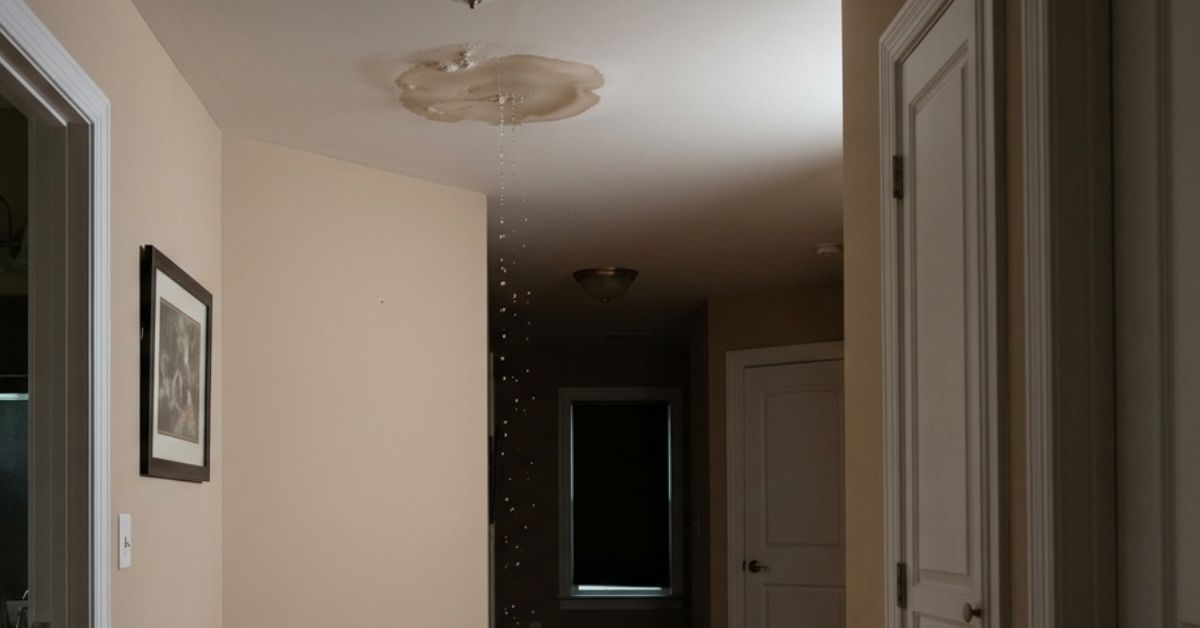
Active dripping from the ceiling, visible sagging, daylight in the attic over a finished living space, or a tree branch impact you can see from the yard. None of these can wait.
Schedule Within the Week
New ceiling stains, missing shingles after a recent storm, cracked flashing, damp insulation, or persistent musty smells. These are still leaks in progress, but you have a few days to get the right contractor on the schedule.
Schedule Within the Month
Granule buildup in gutters, isolated curling shingles, moss or algae streaks, or a routine 10-year roof check.
These are warnings rather than emergencies, but they should still go on the calendar.
Get a Cumming Inspection at the First Sign of Roof Leak
If you're seeing any of the seven signs above — or you just want a clear read on whether your roof is still in good shape — Roofs 4 Less can be on-site for an inspection within a few days, or same-day if there's active
water coming in. We're based in Cumming and work across Forsyth County and the broader North Atlanta metro.
Call (678) 922-9227 or request an inspection on our site. You'll get a written report with photos, a clear answer on whether it's repair or replacement, and emergency tarping if water is actively coming in while we schedule the work.
Frequently Asked Questions
How do I find the source of a roof leak from inside the house?
Water travels along rafters and underlayment before dripping, so the visible leak inside is rarely directly under the failure point. Trace upward in the attic — wet rafters, stained decking, or matted insulation will lead toward the actual entry point.
A contractor with a moisture meter can pinpoint it in minutes. Expect to be off by several feet if you're trying to locate it from inside the house alone.
Will my homeowner's insurance cover a roof leak in Georgia?
Sudden, storm-driven damage is typically covered. Slow leaks from aging shingles, poor maintenance, or unaddressed flashing usually aren't.
The deciding factor is whether the leak's cause is "sudden and accidental" versus "ongoing wear." A contractor's written inspection report is what gets the claim approved either way.
Can I patch a roof leak myself?
A small, isolated leak — a single missing shingle or a cracked vent boot — can be patched temporarily with roofing tar or a fresh shingle. Anything bigger, or any leak you can't directly see the source of, should get a professional inspection.
Patching the wrong spot makes the underlying problem worse by trapping moisture inside the assembly.
How long can a roof leak before it causes serious damage?
Less time than most people think. Decking starts to soften after 48–72 hours of repeat exposure, insulation loses R-value within a week of getting wet, and mold becomes a real risk after about 14 days.
The damage curve gets steep around the four-week mark.
Does Roofs 4 Less do emergency leak repairs?
Yes. We respond to active-leak calls in Cumming and surrounding Forsyth County areas same-day or next-day depending on weather.
Tarping and emergency dry-in is available before a full repair, so the damage stops while we schedule the proper fix.