

Commercial Roof Inspection Checklist: What Property Managers Should Look For
Scheduled inspections are often the least expensive on a commercial roof maintenance budget. They are also most likely to get pushed back or postponed, especially if the commercial roof seems to have no problems.
However, the biggest issue is that without a routine inspection and a proper checklist, flat roofs almost always look fine, but they may hide severe damage hidden in plain sight.
A small membrane tear or a clogged scupper can sit unnoticed for months, then cause serious tenant damage during one bad storm. Reactive commercial roof repair may be cheap, but severe damage that unravels in one bad storm can lead to costly restoration projects.
How Often Should a Commercial Roof Be Inspected in Cumming?
The right inspection cadence in Cumming is twice a year by in-house staff, plus once a year by a licensed contractor. A full in-house walk-through should happen in spring and again in fall, with the spring inspection focused on catching winter damage, and getting drainage cleared during fall before leaves clog drains.
Severe storm events trigger a prompt roof inspection. After any wind event over 50 mph, hail of any size, or rainfall over 2" in under an hour, inspect the roof within 48 hours and check the interior for water signs.
The annual contractor inspection is non-negotiable. Roofing contractors catch what an untrained eye misses — substrate moisture, hidden seam issues, and damage invisible from the roof's surface.
How to Prepare for a Commercial Roof Inspection in Cumming
Five minutes of preparation saves the roof inspection from being a wasted trip. The goal is to inspect the roof already knowing what's been repaired, when, and where, so you can spot what's changed since last time.
Pull the last service record and note what was repaired and where. Pull the original install records too — membrane type (TPO, EPDM, mod-bit), thickness, manufacturer, and install year all change how you read what you see.
Check the warranty status before you do anything that might affect coverage. Active warranties change what you can self-repair without voiding the manufacturer's terms.
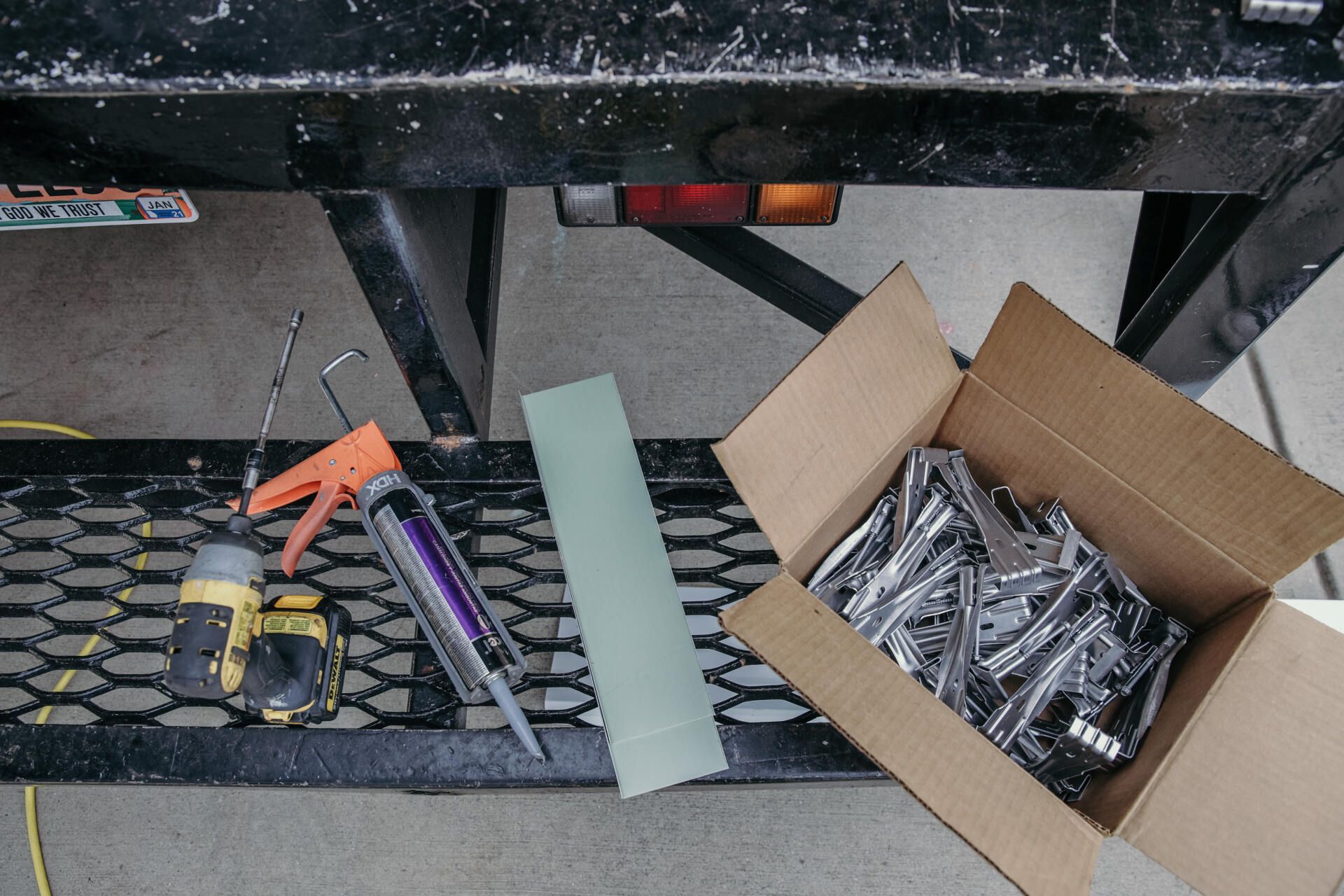
Bring the right kit. A phone for photos, a roll of painter's tape to mark findings, a clipboard, a flashlight, and a moisture meter if you have one — all of it should fit in a small tool bag.
Confirm fall protection is in place before you step off the access ladder. Guardrails, anchor points with harness, or warning lines with a monitor are all OSHA-required on any commercial roof in Cumming with edges over four feet from the ground.
Exterior Membrane Checklist for Cumming Commercial Roofs
The membrane is the waterproof skin, and it's where most of your inspection time goes. Walk the roof in a methodical grid pattern — don't just spot-check the obvious problem areas.
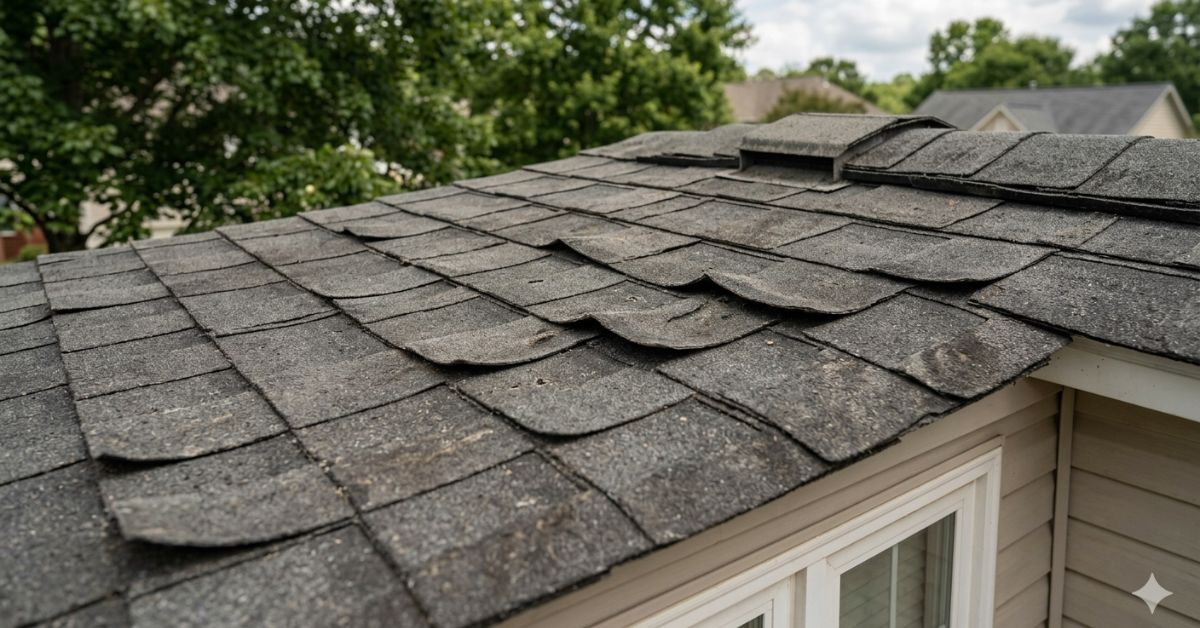
Look at the surface condition first. Tears, splits, blisters, and bubbles are all warning signs — on TPO and EPDM a bubble usually means trapped moisture below the membrane, and on mod-bit a blister means a void in the asphalt layer.
Walk every welded seam (TPO) or adhered seam (EPDM) and check for lifting, gaps, or visible separation. Press lightly with a thumb — seams should feel solid, not spongy.
On modified bitumen, watch for granule loss. Bare asphalt patches where granules have washed off are the early sign of accelerated UV degradation, and once granules are gone the membrane breaks down fast.
Ponding water marks tell you where water sits more than 48 hours after rain. The white or chalky outlines they leave behind signal a drainage or slope problem that's quietly degrading the membrane.
Watch for puncture marks from foot traffic near HVAC units. Tools, screws dropped during service, and worn membrane from repeated stepping all show up here — usually long after the contractor who caused it has left the building.
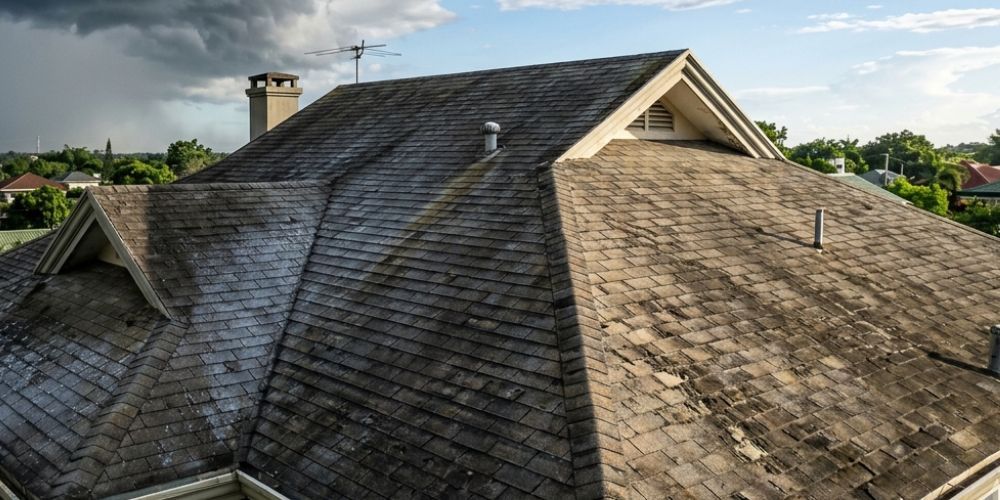
UV degradation shows up as a chalky surface, fading color (especially on white TPO), or cracking when membrane is flexed by hand. None of these is urgent by itself, but together they signal the membrane is approaching the end of its service life.
Commercial Roof Edge, Parapet, and Termination Inspection Points
Edges are where most commercial roof leaks in Cumming start. Inspect them more carefully than the field, because the work goes faster but the consequences of missing something are bigger.
Edge metal and drip edge should sit tight to the membrane with no separation, rust, lifting fasteners, or visible gaps. Anything loose here lets wind under the membrane in a storm, and once it lifts, it usually doesn't go back down on its own.
Walk every parapet wall and check the membrane termination at the top and where it turns down the inside face. Cracked sealant, loose flashing, or visible substrate exposure all need attention before storm season.
Counterflashing — the metal cap that protects the top of the parapet — should be tight, sealed, and rust-free. The same goes for coping cap joints between segments, which are common leak points when they open up.
Termination bars need tight contact, intact sealant, and no visible gaps. Anywhere the membrane terminates against a vertical surface deserves the same close look you'd give a penetration.
Drainage Checks on Cumming Commercial Roofs
Cumming gets serious rainfall events spring through fall, and drainage failures cause the most expensive water-damage claims because they back up and concentrate water in one spot. Drainage is the highest-leverage section of any commercial roof inspection in Cumming.
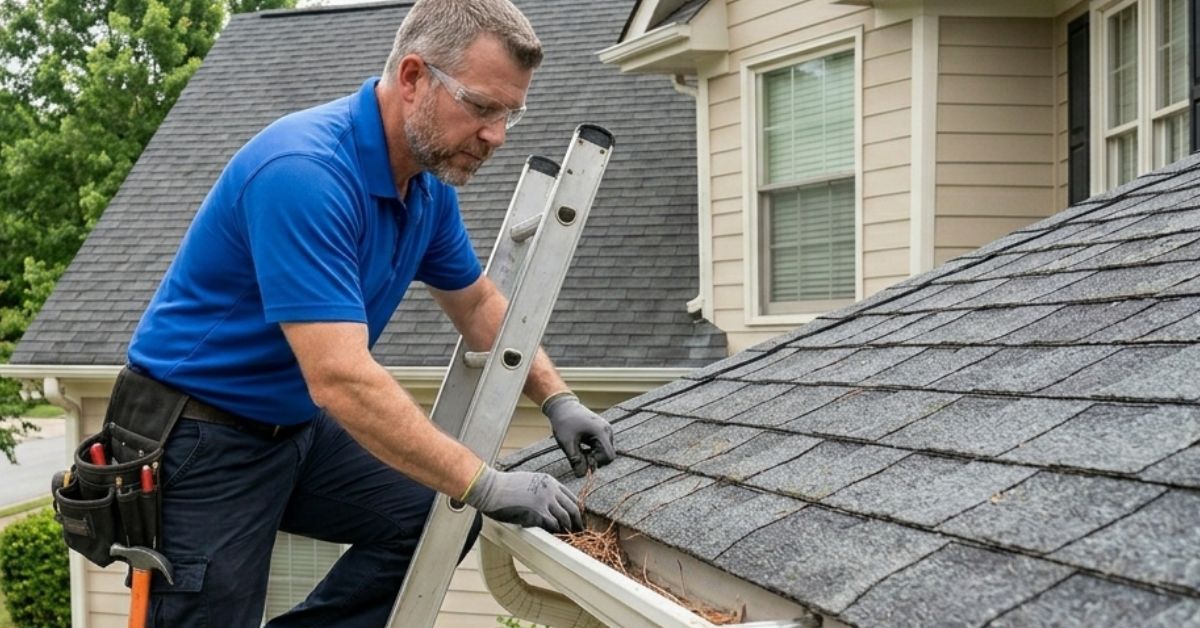
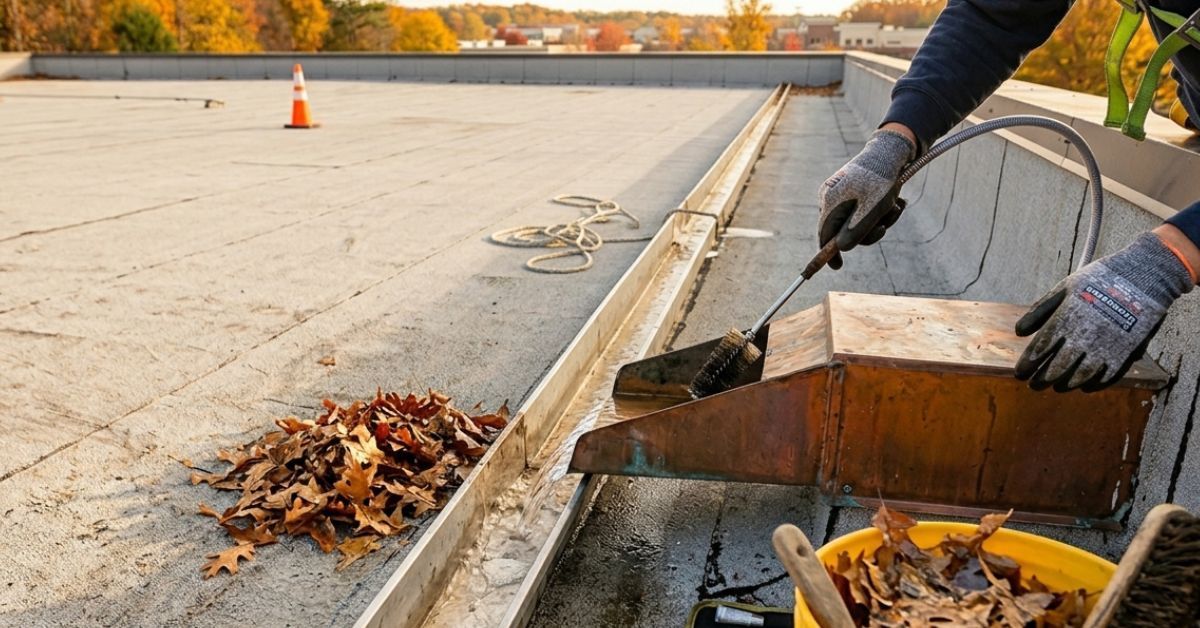
Walk to every drain and scupper and confirm each one is clear of debris. Look for strainer baskets that are clogged, broken, or missing entirely — a missing strainer is an open invitation for the next leaf load to shut the drain down.
Check the drain bowl seal where the bowl meets the membrane. Cracks, lifted membrane, or sealant failure around the clamp all point to a leak that's only one heavy rain away.
Internal vs external drains behave differently when they fail. Internal drains require a perfect membrane seal because their failure leaks directly into the building, while external scuppers fail less catastrophically but still need clear flow.
On buildings with perimeter gutters, test the flow with a hose and watch the downspout output. If water doesn't move cleanly through, something is blocking the line and it'll back up in the next real rain.
Note any standing water that's still there 48 hours after the last rain event. Anything over a half-inch of ponded water signals a structural or drainage problem worth a contractor's eyes on it.
Most commercial flat roofs in Cumming are pitched a quarter inch per foot toward drains. If water is pooling, the slope has been compromised — usually by sagging insulation or deck deflection underneath.
Commercial Roof Penetrations and Rooftop Equipment to Inspect in Cumming
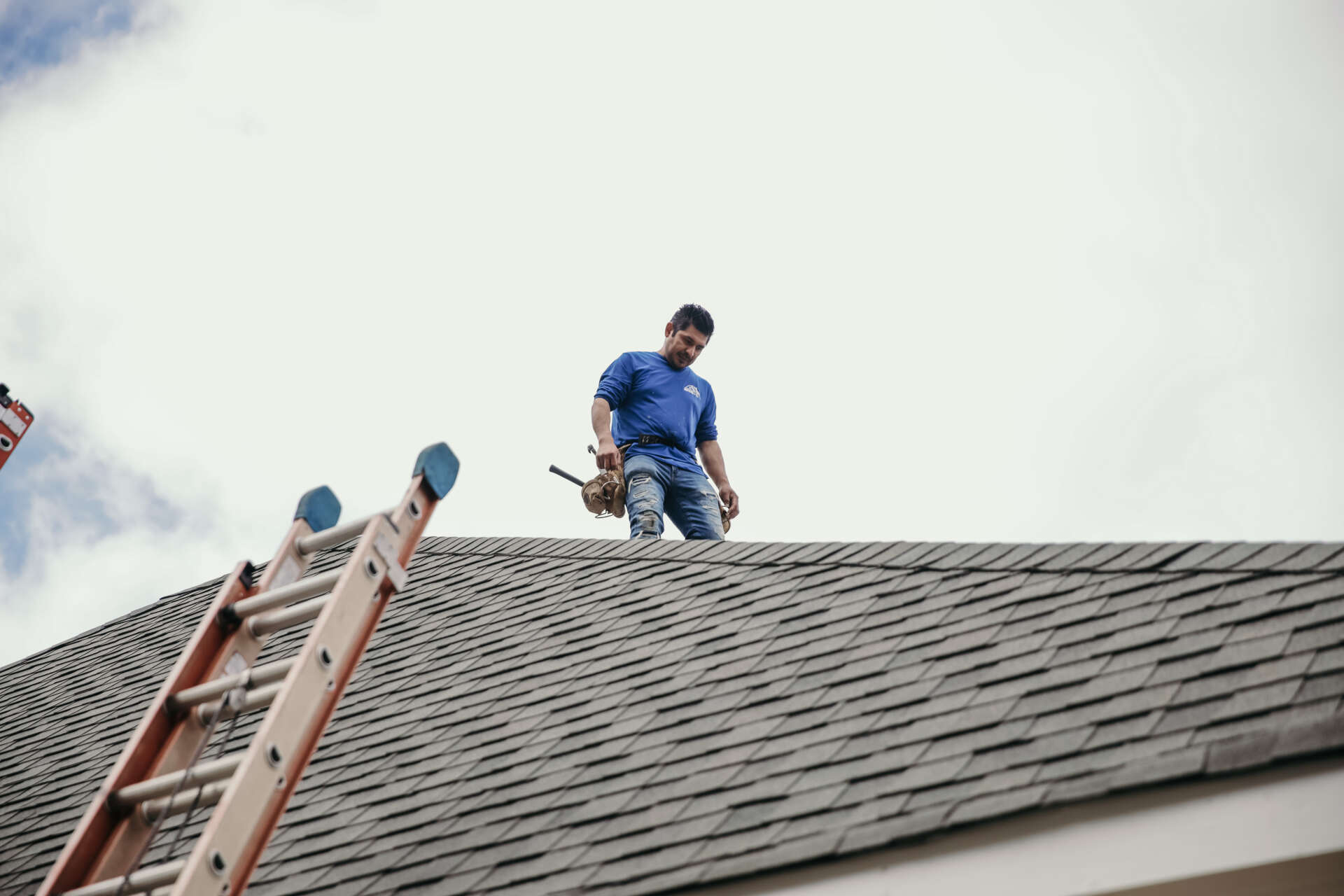
Anywhere something sticks up through the roof is a leak risk. Inspect each penetration individually — the bigger ones tend to be better-maintained, but the small unobtrusive ones cause more leaks than they should.
HVAC curbs get the most attention. Look at the flashing where the curb meets the membrane, the sealant joints, the screw heads, and the seal between the unit and the curb itself — all four are leak paths.
Vents and pipe boots should have intact rubber or metal boots. Plumbing vents, gas vents, and combustion-air pipes with cracked or UV-degraded boots are one of the most common leak sources on commercial roofs in Cumming.
Skylights need a check at the perimeter flashing, the glazing seal, and the ceiling below for any condensation pattern. Skylight leaks often show up as drips at the curb rather than at the glass itself.
Conduit and electrical penetrations are usually the worst-maintained on the roof. Sealant fails around conduit faster than around bigger penetrations, and the leaks they cause are often misdiagnosed as membrane failures.
Antenna and satellite mounts are frequently installed by non-roofing contractors who don't seal properly.
Check every mount on the roof, regardless of how recently it was installed.
Gas lines and ballast block placement need a look too. Concentrated load on the membrane from poorly placed equipment is a common issue on older buildings and is easy to miss until the membrane shows the wear pattern.
Interior Checks During a Commercial Roof Inspection
Don't skip the interior walk-through. The roof gives different signals from below than from above, and some failures are invisible from the top.
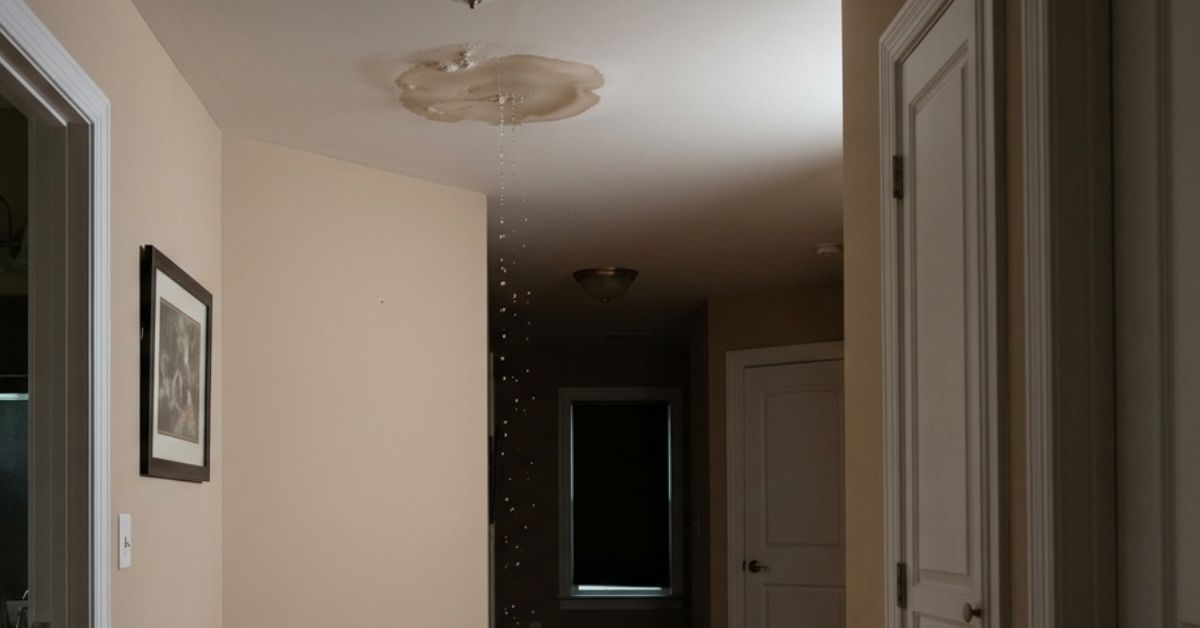
Walk every tenant space — or at minimum every interior corridor — and look for active or historical water staining on the ceiling. Note location and size so you can compare on the next walk.
Buckled, dropped, or replaced ceiling tiles often signal a previous leak that may still be active. The same goes for fresh patch repairs on drywall above the ceiling line.
In accessible areas, check insulation for wet, matted, or compressed sections. Where the deck is exposed in mechanical rooms or equipment closets, look for rust on metal deck, water staining on wood, or any visible sagging.
Rule out HVAC condensate failures before treating anything as a roof issue. Many "roof leaks" reported by tenants are actually condensate-line problems, and a fast check at the air handler saves a contractor call.
A persistent musty smell in upstairs spaces suggests moisture in the roof assembly even without visible staining. Trust the nose — assembly moisture is often the earliest signal of a developing problem.
How to Document a Commercial Roof Inspection
An inspection without documentation isn't an inspection — it's a walk. Build a record you can compare against six months from now, and keep it in a single living file with the rest of the roof's history.
Every finding gets a photo. A wide shot for context and a close-up for detail are both standard, and GPS-tagged photos from a phone make location reference automatic.
Use a roof grid system (A1, A2, B1, etc.) or building landmarks for location references. "Northwest corner near HVAC unit 3" is usable; "back of the roof" isn't.
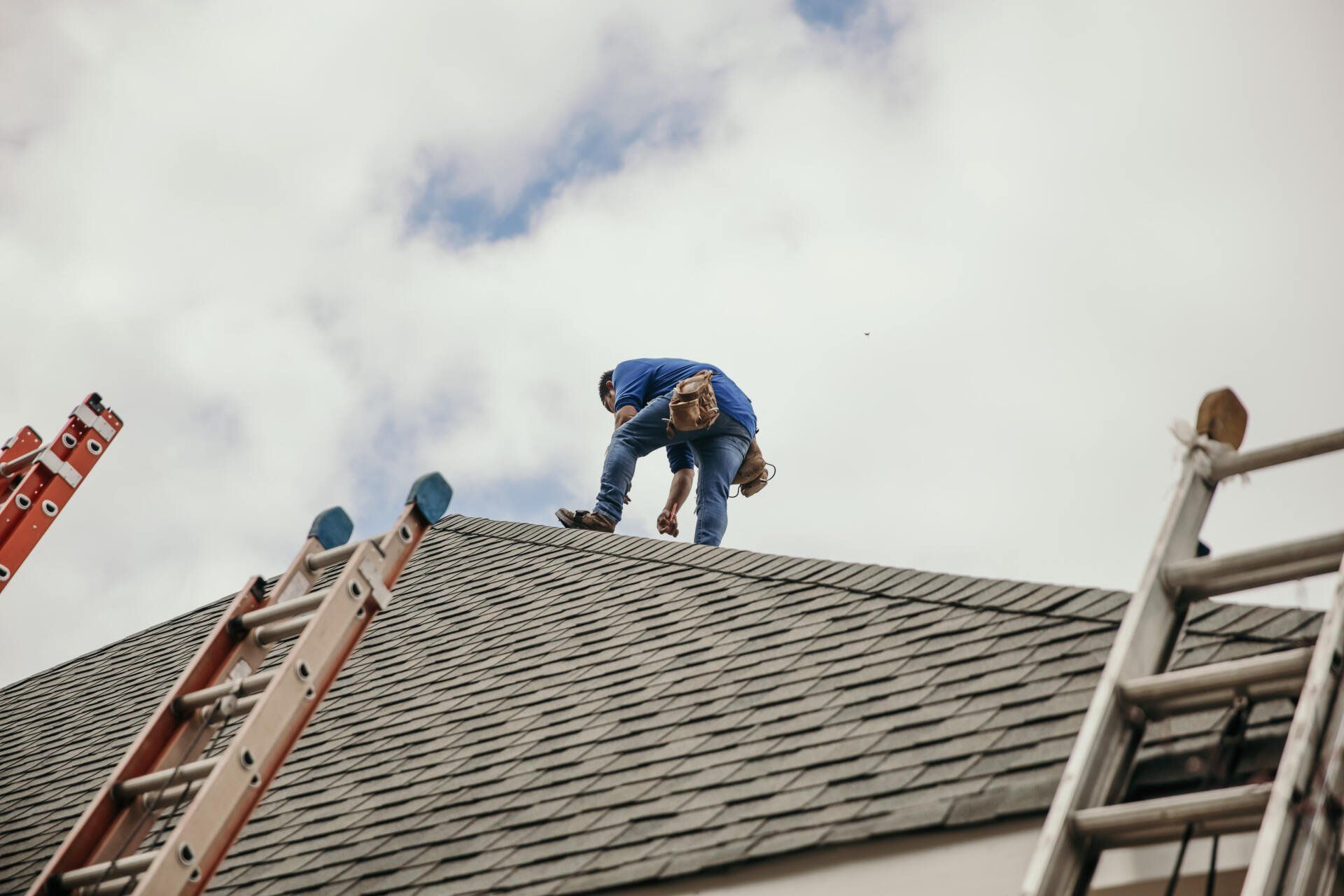
Assign each finding a severity rating of 1–4 using the scale below. Pair the rating with a recommended action: self-repair, contractor patch, contractor inspection, or full replacement assessment, and a timeframe.
Commercial Roof Inspection Severity Scale
Here’s an example of a roof inspection severity scale you can use to quantify damage in your roof. Feel free to customize this table depending on your needs.
| Number | Description | Action | Timeframe |
|---|---|---|---|
| 1 — Critical | Active leak, structural sag, exposed deck | Emergency contractor | 24 hours |
| 2 — Major | Failing seam, cracked flashing, clogged drain | Schedule contractor | 1 week |
| 3 — Moderate | UV cracking, small punctures, ponding | Note for next service visit | 30 days |
| 4 — Minor | Debris, granule wash, cosmetic wear | Add to maintenance log | Next scheduled cycle |
When to Call a Commercial Roofing Contractor in Cumming
Self-inspection is for catching problems, not fixing them. Anything rated Level 1 or 2 on the severity scale needs a contractor call, and so does anything you're unsure about.
An active drip during recent rain events, visible structural sagging, or deck failure all qualify as same-day calls. Don't let any of these wait for a scheduled visit.
The annual professional inspection should be on the calendar regardless of whether anything was flagged in the in-house walks. Post-storm assessments after wind over 50 mph or any hail event are separate from the annual visit.
Insurance claim documentation and any roof approaching 80% of expected service life both warrant a contractor's eyes. Both decisions are easier with a written assessment in hand.
Get Started With Your Commercial Roof Inspection in Cumming
The annual professional inspection matters, and it's what most insurance carriers want to see in the file.
Roofs 4 Less performs commercial roof inspections across Cumming, Forsyth County, and the broader North Atlanta metro.
We deliver a written report with photos, severity rankings, and a recommended action timeline within five business days of the walk. Maintenance contracts are available for portfolios that need scheduled
inspections on a recurring basis.
Call (678) 922-9227 or schedule a commercial roof inspection today.
Frequently Asked Questions
How often should a commercial roof be inspected in Cumming?
Twice a year for in-house inspection (spring and fall), once a year for professional contractor inspection, and after any storm with wind over 50 mph or significant hail. Roofs over 15 years old benefit from quarterly in-house checks.
Can I do a commercial roof inspection myself, or do I need a contractor?
Property managers can and should walk their own roofs regularly to catch obvious issues. A licensed contractor inspection annually catches what untrained eyes miss — substrate moisture, hidden seam issues, and damage that's invisible from the top of the roof.
What's the difference between a commercial roof inspection and an assessment?
An inspection is a visual check, usually 30–90 minutes, focused on identifying current issues. An assessment is more comprehensive — typically including infrared thermal scanning, core samples to check substrate moisture, and a written report with a remaining-service-life estimate.
Is fall protection required for roof inspections in Georgia?
Yes. OSHA requires fall protection on commercial roofs with edges over 4 feet from the ground, which covers virtually all commercial flat roofs in Cumming.
Guardrails, anchor points with harness, or warning lines (with a monitor) are required during any roof work, including inspection.
How long does a professional commercial roof inspection take?
For a typical 20,000–40,000 sq ft commercial roof, expect 90 minutes to 3 hours. Buildings with complex penetrations, multiple roof levels, or significant existing damage take longer, and the written report is usually delivered within 3–5 business days.