

Signs You May Need a New Roof in Cumming, GA: A Homeowner's Guide
Most roof problems do not show up as a dramatic leak right away.
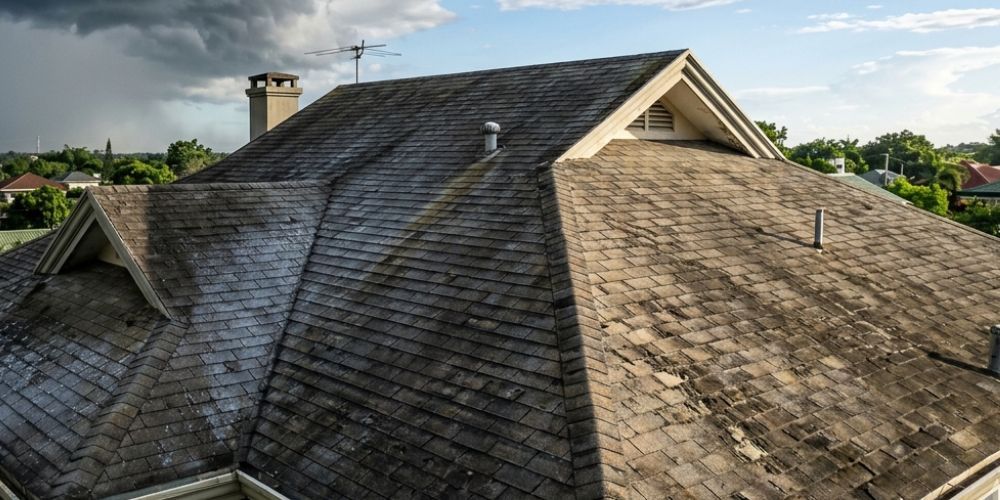
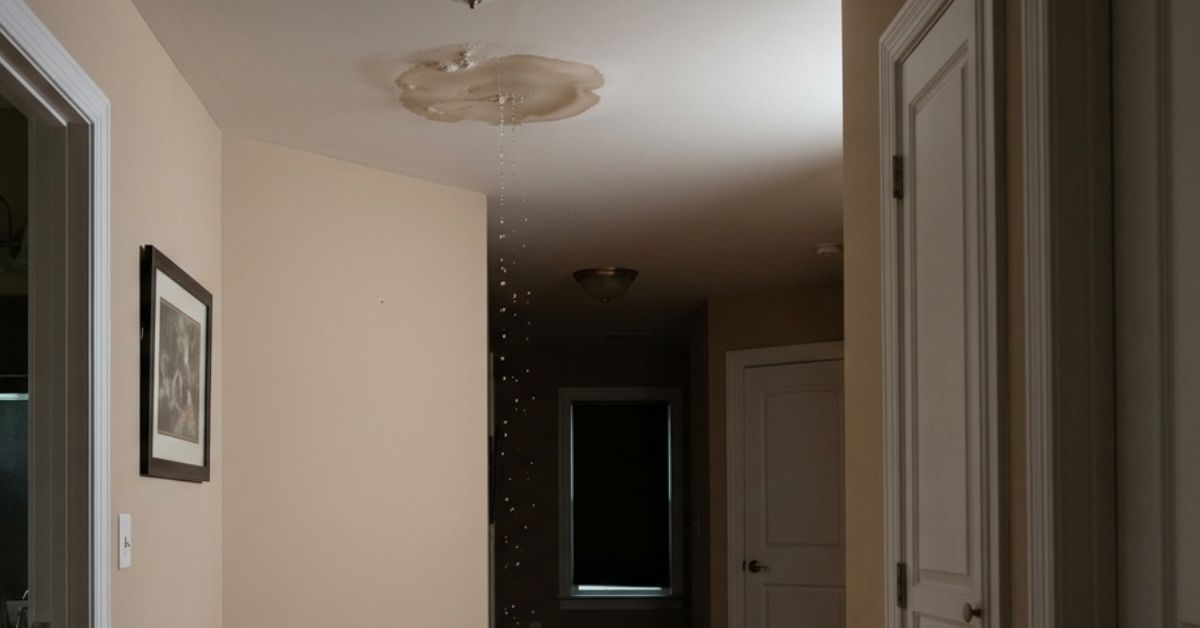
A lot of the time, it is something small first. A stain on the ceiling that was not there last week. A few shingles in the yard after the wind. Grit in the gutters. A darker patch on one side of the roof that keeps catching your eye when you pull into the driveway.
On its own, one of those signs may not mean much. Together, or on an older roof, they are worth checking.
That is especially true in Cumming, where residential roofing sits through hot summers, heavy rain, humid stretches, falling branches, and the occasional hailstorm. Some wear is normal. The important part is knowing when normal wear has turned into a roof that needs attention.
The sections below walk through the signs that usually tell homeowners it is time for an inspection, and sometimes, a new roof installation in Cumming.
How Roof Age Affects Replacement in Cumming
If you know when the roof was installed, start there. If you do not, check your closing paperwork, old invoices, insurance records, or ask the previous owner if that is an option.
A newer roof with one small issue may only need a repair. An older roof is different. Once an asphalt roof gets close to the 20-year mark, small problems deserve more attention because they may be part of a larger pattern.
Age does not decide everything. Some older roofs still have life left. Some newer roofs are already in rough shape because of poor ventilation, bad installation, storm damage, or tree cover. But age gives you a baseline. From there, you look at the shingles, flashing, attic, and leak history.

Shingle Damage Signs Cumming Homeowners Should Watch For
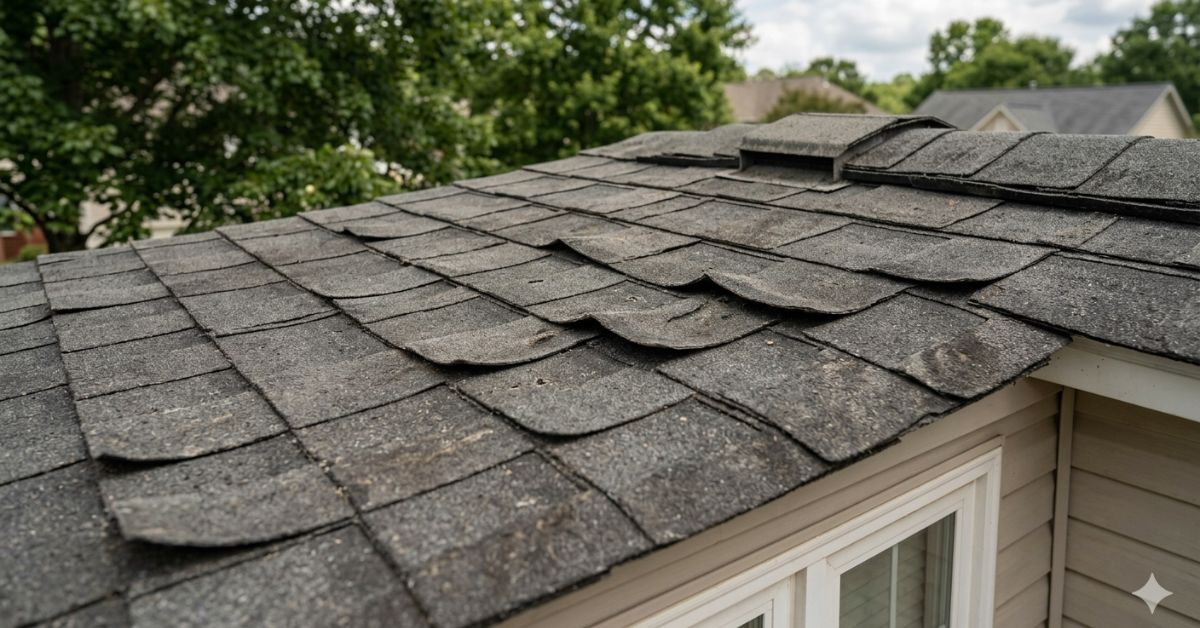
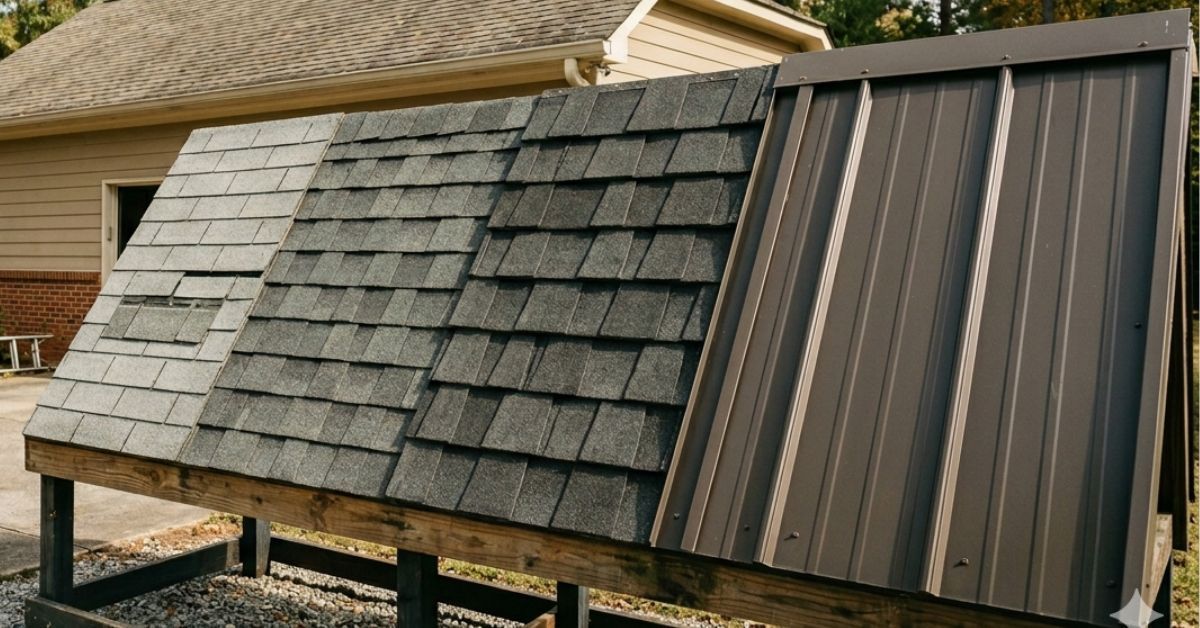
Shingles should sit flat against the roof. When they start curling, lifting, cracking, or cupping, they are not protecting the roof as well as they should.
One or two missing shingles after a storm may be a simple repair. A roof with lifted edges across several areas is different. That usually means the shingles are drying out, aging, or dealing with heat and ventilation issues.
Granule loss is another clue. Those black, sand-like granules in the gutters come from the surface of asphalt shingles. A little loss is normal over time. If the gutters keep filling with grit, or if parts of the roof look thin and patchy, the shingles may be wearing down.
At that point, the roof may not be failing today. But it is probably telling you to have it checked before the next hard storm.
Roof Leak Signs Inside Your Cumming Home
A ceiling stain does not always mean the leak is directly above that spot.
Water can enter around a chimney, pipe boot, vent, valley, or wall transition, then travel along framing before it finally shows up inside. That is why one small stain can be easy to underestimate.
Peeling paint, bubbling drywall, soft spots, or a musty smell in the attic are all worth checking. Sometimes it is a simple flashing repair. Sometimes the leak has been around long enough to affect the decking or insulation.
Either way, interior water damage should not sit for weeks while you “watch it.” Once water is inside the house, the roof needs to be inspected.
Roof Flashing Problems That Can Lead to Leaks
A lot of roof leaks do not start in the middle of an open roof slope. They start at the details.
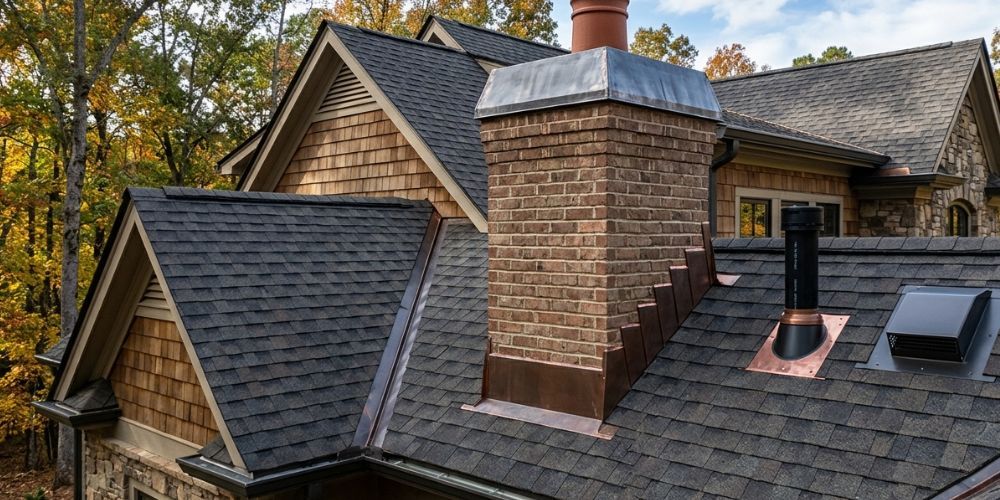
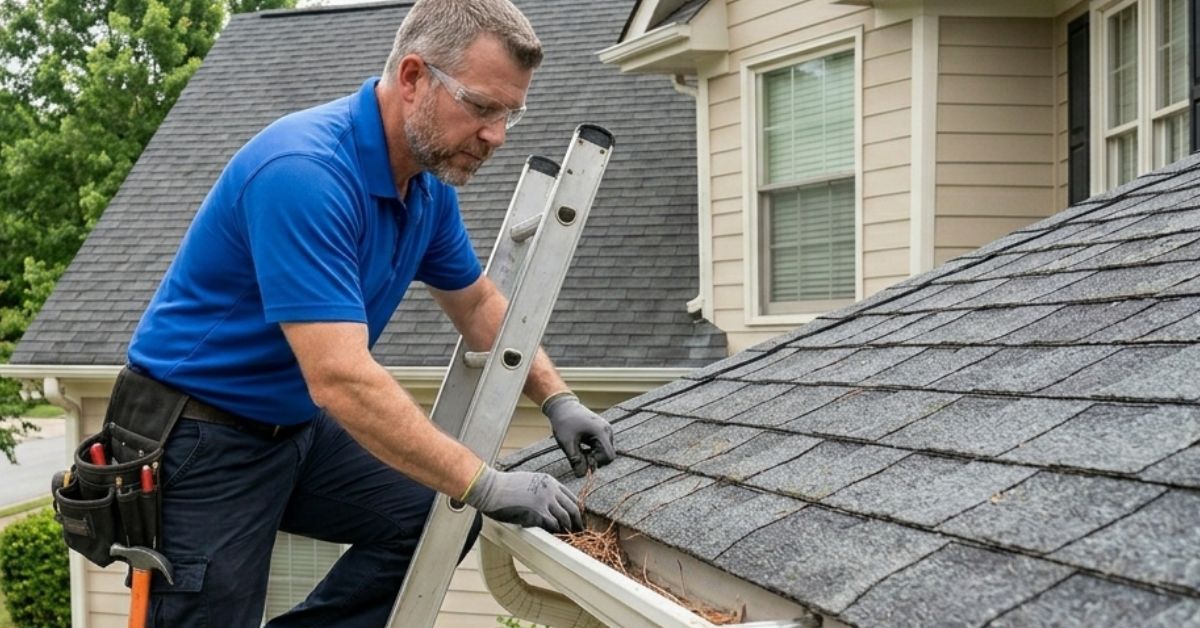
Flashing around chimneys, skylights, walls, valleys, and vents is there to move water away from vulnerable areas. When flashing rusts, pulls loose, cracks, or was installed poorly in the first place, water can work its way under the roof.
Pipe boots are another common issue. The rubber around plumbing vents can dry out and split over time.
On a newer roof, that may be a straightforward repair. On an older roof with several other issues, it may be part of a bigger pattern.
That is why it helps to look at the whole roof system, not just the shingles.
How Cumming Weather Can Shorten Roof Lifespan
Roofs in Cumming deal with more than just rain.
The summer heat dries shingles out. Humidity keeps shaded areas damp. Heavy rain tests the valleys, flashing, gutters, and low spots. Wind can lift shingle edges just enough for water to work underneath.
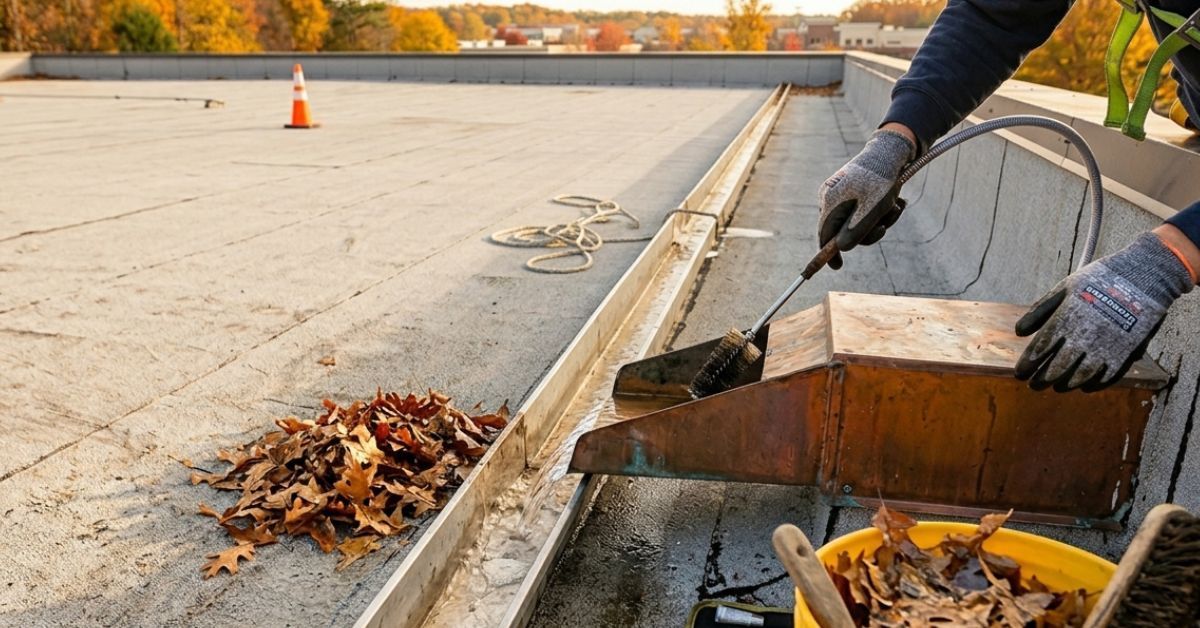
Trees add to it too. Leaves, pine needles, acorns, and small branches can sit on the roof or clog gutters. That debris holds moisture against the shingles, especially on homes with a lot of shade.
This does not mean every roof under trees is in bad shape. It just means those roofs need a closer eye than a roof sitting in full sun with clean gutters and good airflow.
Storm Damage Signs on Cumming Roofs
After a storm, most homeowners look for obvious damage. A hole in the roof. A big limb. Shingles scattered across the yard.
But not all storm damage looks dramatic. Hail can bruise shingles. Wind can loosen edges. A branch can damage flashing without tearing up a large section of the roof.
If a strong storm moved through your part of Forsyth County and your roof was never checked, do not assume everything is fine just because there is no active leak. Storm damage can sit quietly for a while before it shows up as a leak.

Why a Sagging Roofline Needs Fast Inspection
Some roof problems can wait a few days for an inspection. A sagging roofline should not.
Stand back from the house and look at the ridge. It should look straight. If you see dipping, waving, or bowing, there may be moisture damage or structural weakness under the shingles.
That is not a cosmetic issue. It needs to be checked quickly.
When Roof Repair May Be Enough in Cumming
A repair may be the right call when the roof is still in decent shape overall.
One missing shingle, a cracked pipe boot, or a small flashing issue does not automatically justify a full replacement. If the shingles around the area still look good and the roof is not showing widespread wear, a
targeted repair may buy more time.
The problem is when repairs start stacking up. If the roof is older and you are dealing with curling shingles, granule loss, old flashing, moss, and interior stains, patching one spot may only delay the bigger decision.
That is where an honest inspection matters. You want to know whether you are fixing a specific problem or chasing symptoms of a roof that is already worn out.
What to Expect During a Roof Inspection in Cumming
A good inspection should leave you with a clearer picture of the roof, not more confusion.
The contractor should look at the shingles, flashing, pipe boots, valleys, gutters, ventilation, and attic when there are signs of leaking. Photos help because you can see the problem areas for yourself instead of just taking someone’s word for it.
The final recommendation should be practical. Maybe the roof needs one repair. Maybe replacement should be planned soon. Maybe it still has several good years left.
What you do not want is a vague “you need a roof” with no explanation. If the contractor cannot show you what failed, what is still working, and why they are recommending repair or replacement, get another opinion.
Frequently Asked Questions
What are the most common signs you need a new roof?
The most common signs are curling shingles, missing shingles, heavy granule loss, ceiling stains, attic daylight, cracked flashing, recurring moss, storm damage, and a sagging roofline. One sign by itself may not mean replacement. Several signs together usually deserve a closer inspection.
Can a roof leak be repaired?
Yes, sometimes. A leak around a pipe boot, flashing area, or small damaged section may be repairable if the roof is still in solid condition. If the roof is older and leaks are showing up in more than one area, replacement may be the more practical option.
How often should a roof be inspected in Cumming?
Once a year is a good habit, especially if your home has tree cover or an older roof. You should also have the roof checked after hail, high winds, or a storm that knocked down branches nearby.
Is storm damage always visible from the ground?
No. Hail bruising, lifted shingles, and damaged flashing can be hard to see from the driveway. If nearby homes are getting inspected after a storm, it is worth having yours checked too.
Call Roofs 4 Less for a Roof Inspection in Cumming
If your roof is starting to show warning signs, Roofs 4 Less can take a look and give you a straight answer.
We are a roofing contractor in Cumming serving Forsyth County and the surrounding North Atlanta metro.
We will inspect the roof, explain what we find, and let you know whether repair or replacement makes the
most sense.
Call (678) 922-9227 or request a free inspection online. You will get a clear recommendation without the pressure.